








5 free things to do in European cities
Aggelos Apallas
28 August 2026

Picture it for a second: You’ve just finished reading a chapter from your book when the train conductor announces the next stop. This is day 1 of the trip you’ve been looking forward to for months. You hop off the train, luggage in hand, fuelled by the oxygen of a brand-new European city. The faces of strangers envelop you warmly, and the promise of a new adventure grounds your every step with curiosity and excitement.
The best part? You don’t have to stress out over money because you saved a lot on activities after discovering this page.
If you do it right, exploring Europe in depth doesn't have to break the bank. Ironically enough, saving money might actually be the secret to dipping beneath the surface of a city. When you aren't spending all your time in tourist ticket lines, you end up immersing yourself more deeply in the real culture and history of a place.
Whether you're a backpacker, a student, a family or a senior, these 5 free experiences are accessible to anyone looking to travel Europe on a budget.
1. Join a free walking tour
Free walking tours are a breezy, zero-cost way to quickly familiarise yourself with a new city. In my experience, they often skip the dry guidebook facts, giving you a proper, immersive look at a destination through the eyes of a local.
Why you should book a walking tour on day 1
There's joy in trip-planning, but taking a walking tour on your first morning in a new city is a good way to avoid spending hours figuring out exactly what you want to do in the places you travel.
In just a couple of hours, you’ll figure out which landmarks are worth prioritising, what local dishes you should taste and where the neighbourhood’s best coffee spots are hidden.
The guides are usually locals who genuinely love their city. They’ll share the bizarre, gritty stories behind the monuments and fun facts about the local culture. They also adapt the tour to the group’s interests, making every walk unique and personal. And if you enjoy meeting other people when travelling, walking tours can easily foster connections with like-minded travellers.
Although these tours are technically ‘free’, it’s customary to tip the guide a small amount based on what you think the tour was worth. However, some local walking tour organisations (usually led by students) may inform you that no tip is required at all.
There are several pan-European networks offering free walking tours in many cities, but I recommend checking out local agencies first.

2. Travel and transform: the power of volunteering

If you’re travelling slowly and want to truly understand the heartbeat of a place, consider stepping away from the tourist track entirely. Giving back through an organisation open to one-off volunteers is a fulfilling way to experience a city like a local, rather than just a visitor.
Look out for community gardens, local food kitchens, or language exchange meetups where locals want to practise English (or another language you speak) in exchange for teaching you their language.
Some youth hostels also partner with neighbourhood clean-up groups or cultural centres. Not only do you get to give back to the communities welcoming you on your journey, but you’ll also make fast friends with passionate locals who will tell you exactly where to find the best hidden spots in town.
Volunteering can often help you cut back on travel expenses, too. Some organisations offer free accommodation and food to volunteers in exchange for their service, blending your meaningful contribution with a budget-friendly journey.
My experience volunteering and travelling
The first time I travelled abroad solo was thanks to a volunteer programme by AIESEC. I spent 45 days teaching English to kids at summer camps in Trento, visiting the nearby cities of Verona, Milan and Venice on the weekends with an Interrail Italy Pass. My accommodation and food were covered by 3 local families, each one hosting me for 15 days.
Ten years and 16 European countries later, I still hold a soft spot for Italy thanks to that volunteer programme, which I’m blessed to relive every time I get a text from one of my old students or host parents—connections that felt fleeting in the moment but proved lifelong in the end.

3. Culture on a budget: how to visit museums for free

A huge number of state-run museums across Europe open their doors completely for free, if you know when to visit. Many institutions offer dedicated "free admission days" or open their doors for free during late-night hours on specific weekdays.
Even better, some cities keep their permanent collections entirely free all year round. Before you pay full price for a ticket, spend five minutes checking the official website of the museum you're eyeing.
European museums with free admission days
This list could get quite long, so I narrowed it down to some of Europe’s most-visited museums, which are furthermore the ones people don’t expect to enter for free. Some of those museums recommend booking (free) reservations early in advance due to their popularity, so plan your visit ahead of time.
- The Louvre (Paris)
When: Free on the first Friday evening of every month after 18:00 (excluding July and August).
- The Prado Museum (Madrid)
When: Free every day during the last two hours of operation.
- The Vatican Museums (Vatican City)
When: Free on the last Sunday of every month between 9:00–12:30.
- Neue Nationalgalerie (Berlin)
When: Free on the first Thursday of every month from 16:00–20:00.
- Royal Museums of Fine Arts of Belgium (Brussels)
When: Free on the first Wednesday afternoon of every month, starting at 13:00.
- National Museum of Poland (Warsaw)
When: Free every Tuesday.
- Leopold Museum (Vienna)
When: Free on the first Thursday of every month between 18:00–21:00.
- National Museum of Czechia (Prague)
When: Free on the second Sunday of every month.
- Nationalmuseum (Stockholm)
When: Free every Thursday evening between 17:00–20:00.
- Oslo City Museum (Oslo)
When: Free on the first Thursday of every month.
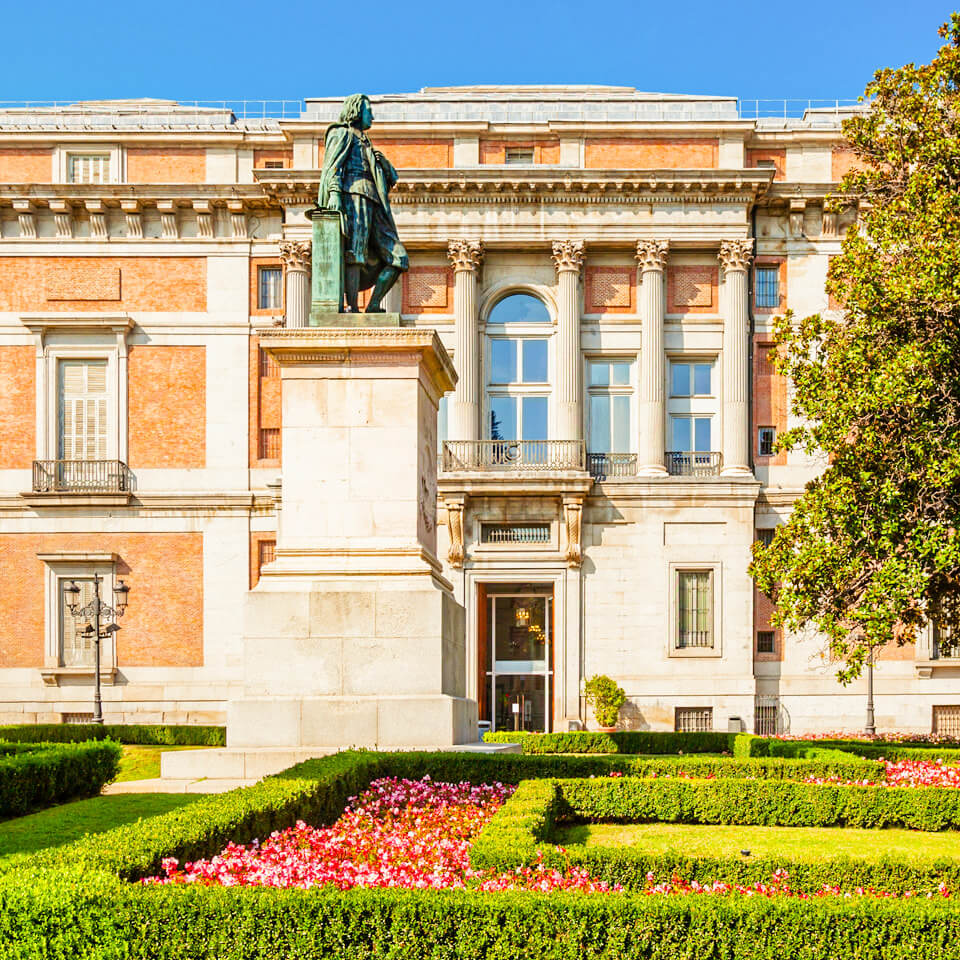

Free museums in Europe (all year round)
The following museums are free all year round, but you might still need to reserve a slot in advance due to their popularity.
- The British Museum (London)
- The National Gallery (London)
- Tate Modern (London)
- Natural History Museum (London)
- Victoria and Albert Museum (London)
- National Museum of Scotland (Edinburgh)
- *Musée d’Art Moderne de Paris (Paris)
- Futurium (Berlin)
- *National Gallery of Ireland (Dublin)
- The National Library of Spain Museum (Madrid)
- Latvia War Museum (Riga)
*The permanent collection is free to browse but temporary exhibitions require an entrance fee.
4. Find the best panoramic viewpoints
Something many European cities consistently get right is the art of the dramatic skyline. Skip the pricey rooftop bars and expensive elevator rides up tourist towers—the best views usually come with a bit of a hike and cost absolutely nothing.
Every great destination has a designated, completely free gathering spot for golden hour. Look for the highest hill hugging the edge of the old town, a historic fortress wall or the wide stone steps of a hilltop plaza.
Some of the best viewpoints in Europe
- The Miradouros in Lisbon.
Because Lisbon is built on hills, you’ll find incredible viewpoints (called “Miradouros” in Portuguese) spread out across the city, with Miradouro da Senhora do Monte being one of the classic favourites.
- Kastra or Ano poli, Thessaloniki.
As a local Thessalonian, I can assure you: there’s no other spot in Thessaloniki that can compete with the Kastra area when it comes to panoramic views. From the Trigonion Tower all the way to Heptapyrgion, this area is full of spaces overlooking the White Tower, the harbour and the city centre.
- Filopappou Hill, Athens.
Filopappou Hill offers what is probably the best free viewpoint in Athens that’s well worth the 20-minute walk. Rising directly opposite the Acropolis, this ancient sanctuary offers an eye-level perspective of the Parthenon that feels almost close enough to touch.
- Bunkers del Carmel, Barcelona.
Perched on top of Turó de la Rovira, Bunkers del Carmel offers what some locals consider the definitive view of Barcelona, looking straight down the Eixample district all the way to the Sagrada Família and the Mediterranean Sea.
- Calton Hill, Edinburgh.
While Arthur’s Seat is a more popular viewpoint, Calton Hill provides a similarly wide view of Edinburgh with significantly less physical effort. It takes just 5 minutes to walk up the stairs from Princes Street, rewarding travellers with a striking view of Edinburgh Castle, the Old Town and the sea.

5. Listen to live music for free
You don’t need expensive concert tickets or festival passes to experience good music in some European cities. Many municipalities have launched initiatives to make art more accessible to the public, with a major emphasis on music events.

If you want to catch top-notch melodies without spending a single cent, keep an eye out for these free music events:
- Free concerts in Amsterdam: On Wednesday afternoons (September to June) between 12:30–13:00, the Royal Concertgebouw hosts its own free lunch concerts. You can order your ticket online up to one week in advance.
- Foyer lunchtime concerts in Berlin: Every Wednesday at 13:00 (from September to June), musicians from the Berlin philharmonic orchestra or guest performers play a free 45-minute chamber concert right in the building's main foyer.
- Traditional Irish music in Galway: If your train route takes you to the west of Ireland, you’ve found yourself in the cradle of Irish folk music. Step into any lively neighbourhood pub around the city centre to find local masters playing the bodhrán (Irish drum), fiddles and uilleann pipes right from their booth—no cover charge required.
- Underground jazz in Krakow: Poland’s cultural capital hides its best secrets underground. The streets branching off the main market square (Rynek Główny) are packed with atmospheric basement bars. On many nights of the week, you can visit them and find professional jazz quartets playing intimate, free* sets into the early hours of the morning.
*Some venues may have a cover charge or minimum consumption.
- String quartets in Venice: The cafés in St Mark’s square are known for employing string quartets to enhance their diners’ experience with ambient music. If you want to skip the pricy touristy menus, you can bring a packed lunch to eat in the square while still enjoying the harmonious tunes from nearby cafés.

Meet the writer
Originally from Thessaloniki, Greece, Aggelos Apallas moved to Utrecht a few years ago, where he now works as a Copywriter at Interrail. This spring, he travelled to Spain and Portugal with his colleagues in search of good food and affordable activities to do while Interrailing.
Want to visit all these places affordably?

Interrail Global Pass
Gain access to over 30,000 destinations in 33 countries with our standard rail Pass—great for multi-country trips within 1 or 2 months.
Why travel Europe with an Interrail Pass?


Exclusive travel offers
Unlock multiple discounts in European countries through our Pass Benefits Portal


You may also like
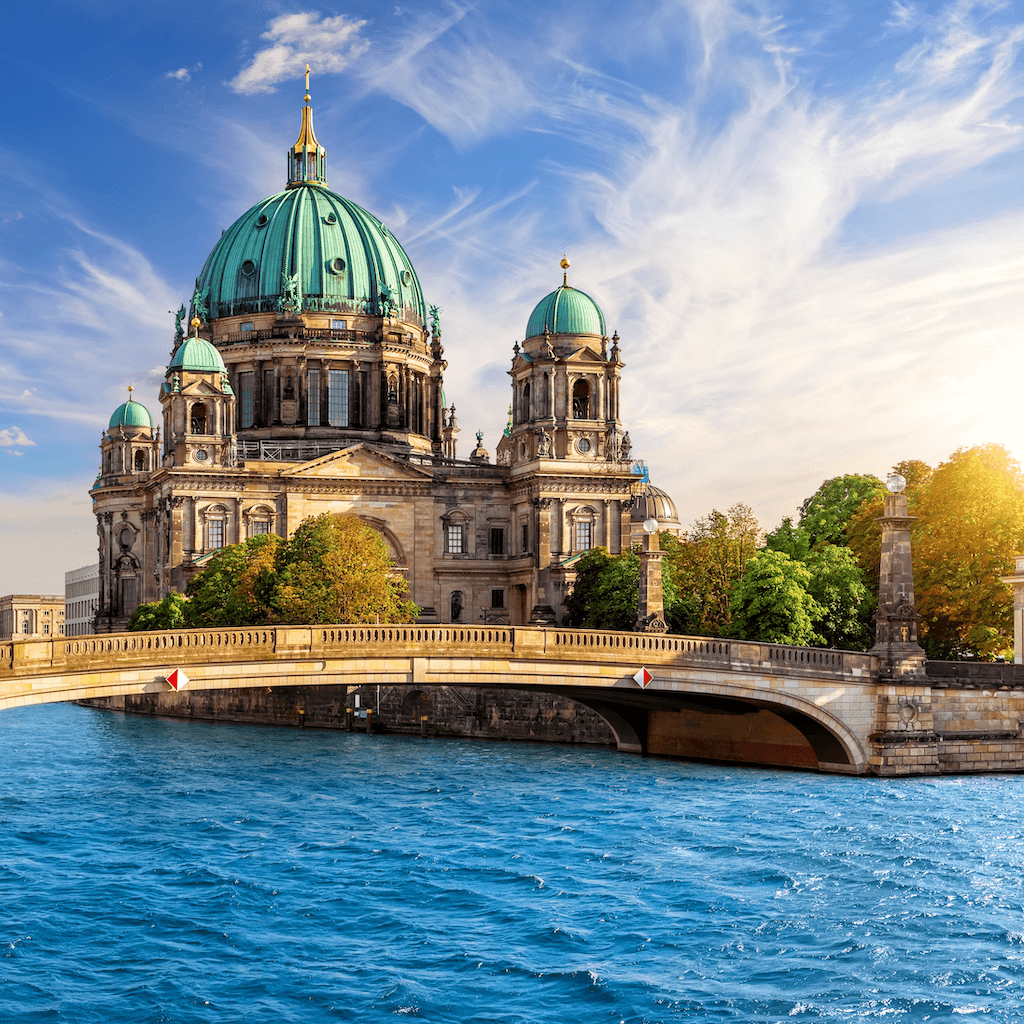
5 affordable cities in central Europe
From Berlin to Zagreb, explore 5 destinations in 1-2 weeks with activity and route recommendations that won’t drain your wallet.

A family-friendly budget trip across Europe
Learn how a family of 6 Interrailed to 10 cities with a total budget of €5,653 for all expenses (Passes, accommodation, food, attractions).
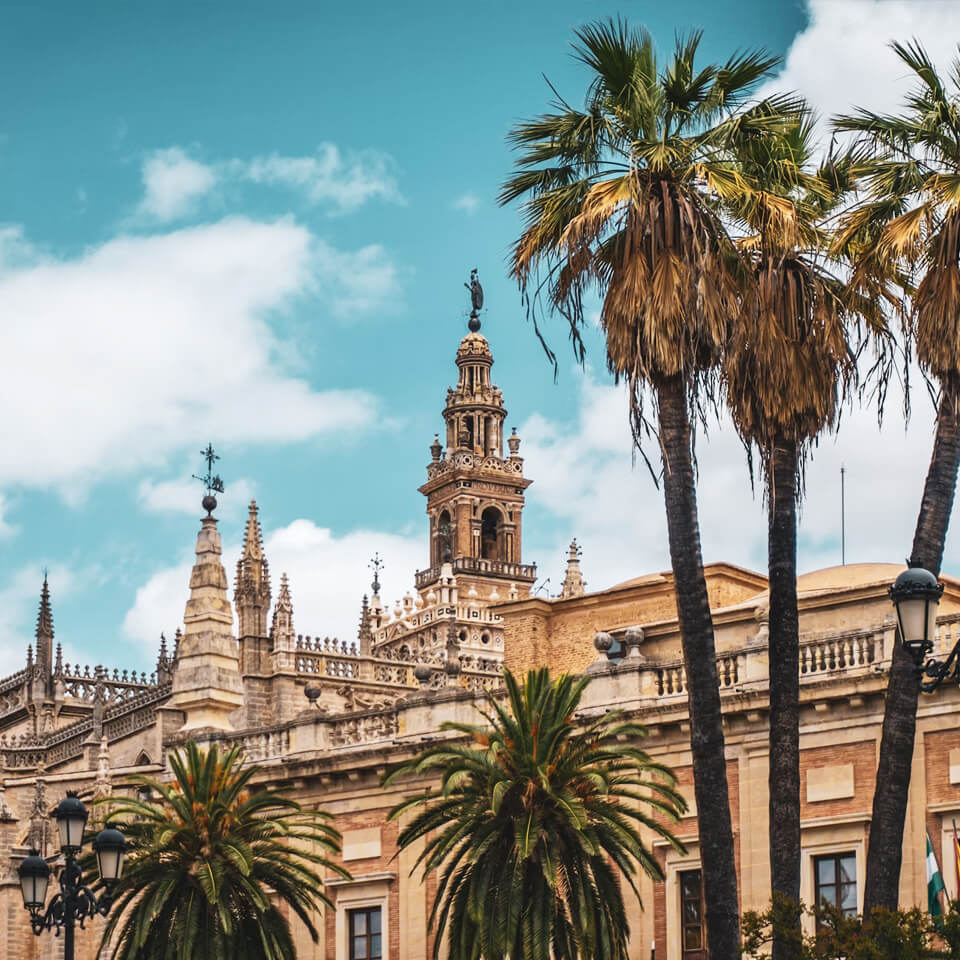
Interrailing through Spain and Portugal on a budget
Want to explore Europe affordably by train? Start in the south! Discover cheap activities and budget-friendly tips in our Spain and Portugal itinerary.
Change of currency
You cannot change the currency once you have a Pass in your cart. Remove the Pass, and then change the currency on the website header.